

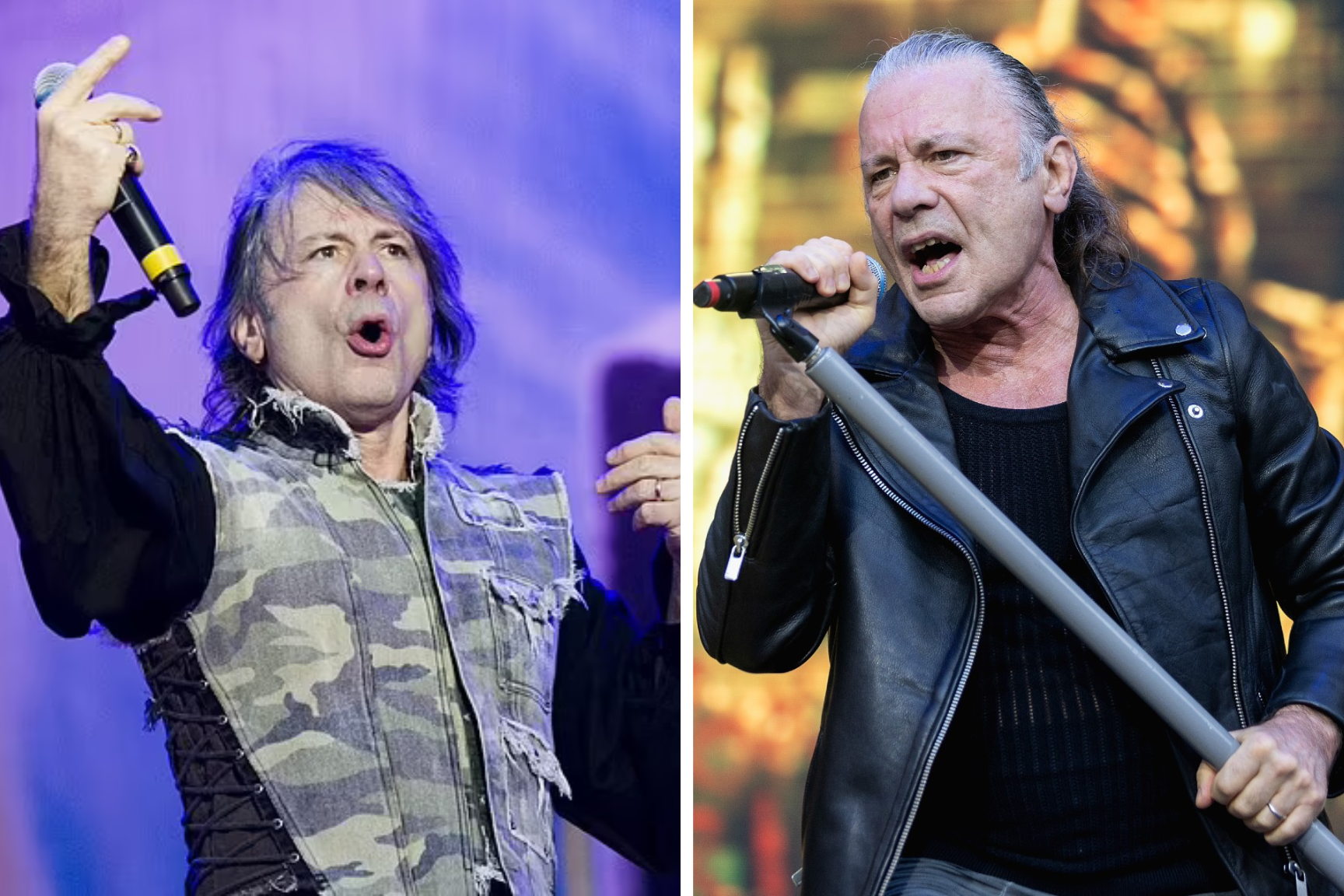
Iron Maiden frontman Bruce Dickinson vanished from the stage at Estadio Olímpico Atahualpa in Quito, Ecuador, on October 14, 2026, finishing “The Trooper” from backstage after audience flares filled the venue with smoke he later called poisonous.
He didn’t cancel the show. He didn’t lose his voice. He moved out of the crowd’s sightline, kept singing through the entire track, and walked back into the spotlight once the smoke cleared — holding Ecuador’s flag.
The Live Event Briefing
| Event Metric | Live Update Detail |
|---|---|
| Band | Iron Maiden |
| Lead singer | Bruce Dickinson |
| Track interrupted | “The Trooper” |
| Venue | Estadio Olímpico Atahualpa, Quito, Ecuador |
| Date | October 14, 2026 |
| Tour | Run For Your Lives World Tour |
| Primary cause | Smoke from audience-lit flares |
| Health context | Throat cancer survivor (2014–2015); no recurrence reported |
| Outcome | Song completed backstage; Dickinson returned carrying Ecuador’s flag |
The show marked Iron Maiden’s first Ecuador date in 17 years, part of a 50th-anniversary tour that had already crossed Mexico, Central America, and Colombia since early October. None of that build-up prepared the crowd for watching their headliner finish a song out of sight.
Why Dickinson Walked Off Stage in Quito
The trouble built over two songs. During “The Number of the Beast,” fans near the front lit flares, and smoke drifted across the stage. Dickinson stopped and leveled with the crowd directly: “I cannot sing at all if you light flares,” he said, before calling the smoke poisonous and warning it was hurting everyone nearby, not just the band.
Fans lit more flares anyway, right as the band launched into “The Trooper.” That’s when Dickinson walked off entirely. He retreated backstage, picked up the military flag prop tied to the song, and sang the whole track standing still, out of view, while his bandmates held the groove up front. Fan footage shows the contrast clearly: a frontman known for sprinting across a 60-meter stage, reduced to a stationary silhouette behind the set, with smoke curling where he usually stands.
Did Bruce Dickinson’s Throat Cancer Come Back?
No. Nothing in the Quito reporting points to a recurrence. Dickinson was diagnosed with throat cancer in late 2014 — a tumor at the base of his tongue, a second one in a lymph node on the right side of his neck. Doctors later linked the cancer to HPV, the same virus associated with cervical cancer. Treatment ran 33 radiation sessions alongside nine weeks of chemotherapy, and he got the all-clear in May 2015. What happened on October 14 has a simpler explanation: flare smoke in a singer’s airway, mid-song, in front of a packed stadium. His medical history explains the alarm online. It doesn’t change the diagnosis here, because there isn’t one.
Was Dickinson Hospitalized in Ecuador?
No hospitalization has been reported. The available coverage describes a brief on-stage disruption and a performer visibly bothered by smoke, not a medical emergency, a collapse, or an injury. Dickinson finished the set normally after returning to his mark.
Why Does He Keep Confronting Fans Over Smoke?
Because this isn’t new. In July 2022, at a show in Athens, Dickinson tore into a fan who lit a flare mid-“Number of the Beast,” swore at him over the mic, and briefly walked off before finishing the song. That September, at Anaheim’s Honda Center, he stopped the show to complain that marijuana smoke from the crowd was fouling the air for him and bassist Steve Harris — a different substance, a different continent, the same complaint: smoke in the lungs of a man who has to sing for two hours straight.
Dickinson Returns to the Stage With Ecuador’s Flag
Once the smoke cleared, Dickinson didn’t just step back into place — he reappeared carrying Ecuador’s national flag, to a crowd that had waited seventeen years for Iron Maiden to come back to Quito.
A singer who’d just retreated from his own stage walked back into full view holding a piece of the host nation. No injury reported. No hospital visit. No cancelled show — just a frontman, a flare-clouded stage, and a flag he chose to carry back into the light.